
Pilonidal cyst
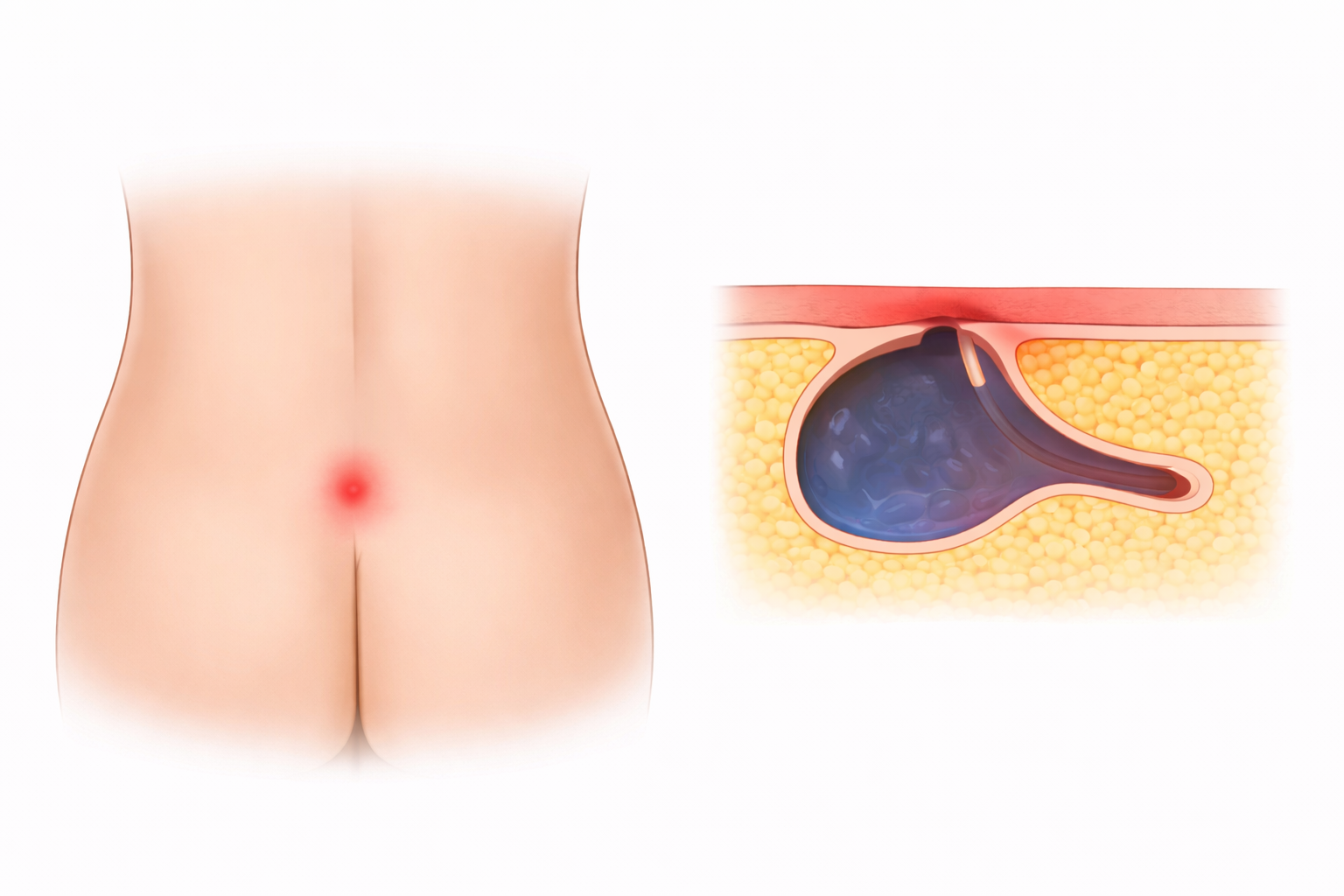
A pilonidal cyst is a chronic inflammation and infection of the subcutaneous tissue located in the coccygeal region (the upper part of the intergluteal cleft). It is directly related to hair penetrating the skin, which causes an inflammatory reaction and the formation of a cyst or cavity beneath the skin.

Symptoms
It is characterised by the appearance of one or more small openings in the skin of the intergluteal cleft, from which purulent or foul-smelling discharge may drain.
It may cause intermittent discharge, local inflammation and pain that worsens when sitting or during physical activity. In some cases, the patient may notice a hardened area or a tender “lump”.
During acute episodes, a very painful abscess may develop, with swelling, intense redness and even fever, requiring urgent treatment.

Treatment
SILAC
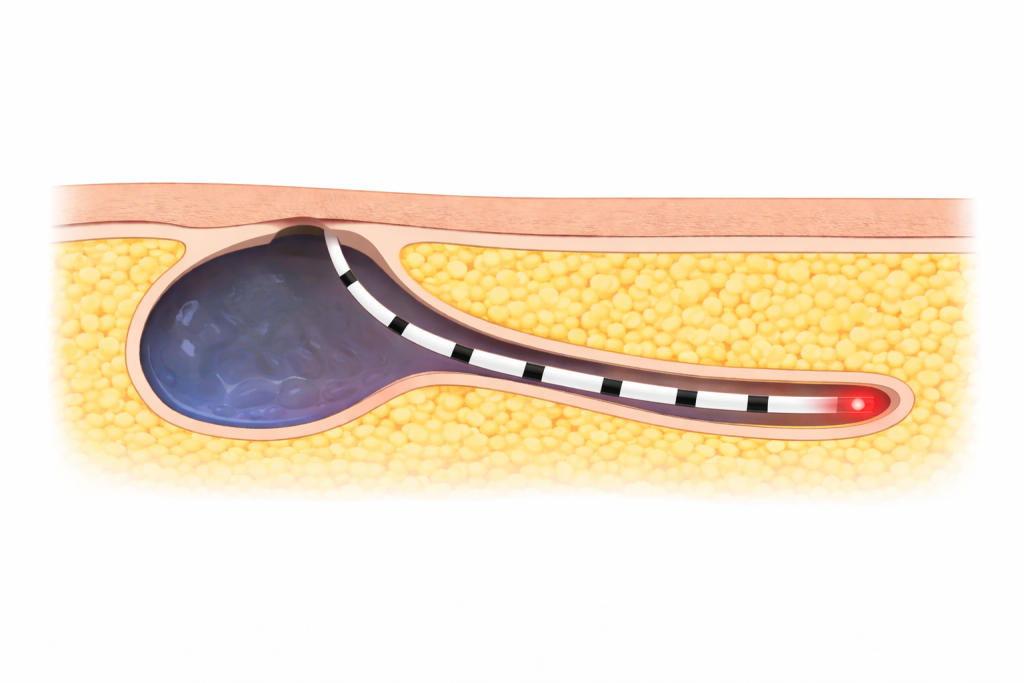
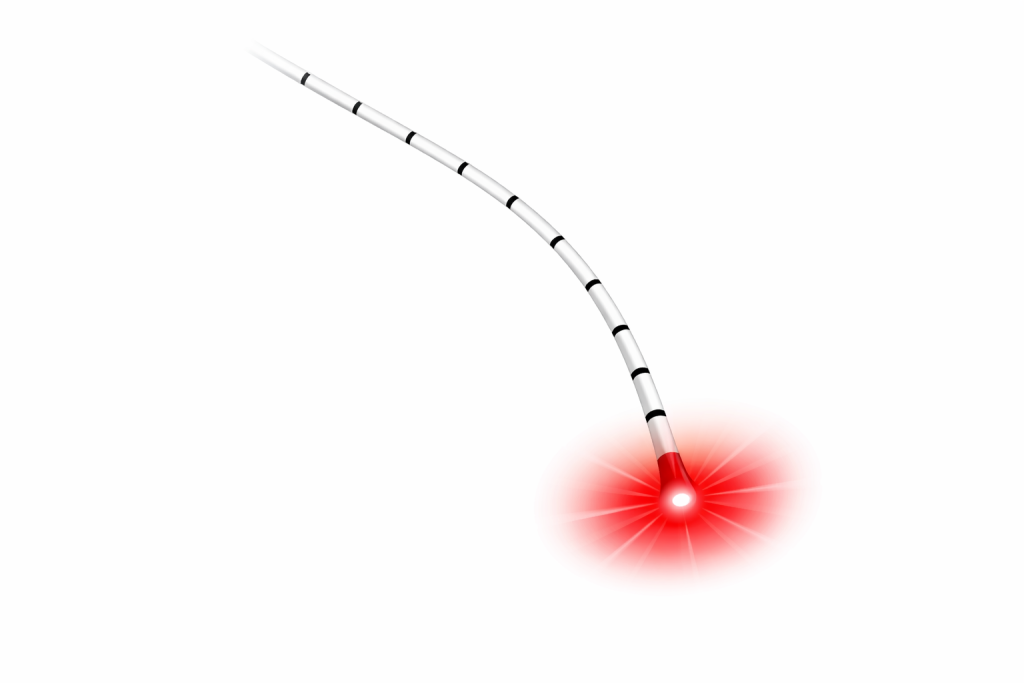
The conventional treatment in most cases involves en bloc excision and closure by primary or secondary intention. SILAC is a laser procedure that achieves a healing rate of over 95%, performed as day-case surgery and allowing a rapid return to normal daily life.
Procedure time:
30min
Anaesthesia:
Local anaesthesia and sedation
Type of surgery:
Outpatient
LEARN MORE
SILAC results
- High healing rate (over 95%).
- Very high patient satisfaction thanks to the rapid recovery and minimal impact on daily life.thanks to the rapid recovery and minimal impact on daily life.
- Minimal or almost no pain: most patients report 1–2 out of 10.
What is the recovery like?
- Return to normal life the following day, including physical activity or going to the gym within a few days.
- Very simple wound care, with no large open wounds or extensive scarring.
- A comfortable, clean recovery that is much easier to manage than after traditional surgery.
Doctor...
FREQUENTLY ASKED QUESTIONS ABOUT PILONIDAL CYSTS
How has laser treatment changed the treatment of pilonidal cysts?
SILAC and EPSiP-SILAC techniques have transformed the treatment of this condition. They allow for a much easier recovery, with no large wounds or prolonged wound care, and an almost immediate return to normal activities.
What is a pilonidal cyst and why does it develop?
It is a cavity or “cyst” beneath the skin of the intergluteal cleft caused by hairs penetrating the skin and repeated inflammation of the area.
What is recovery like after laser surgery?
Wound care can be carried out at home with a daily shower and simple disinfection. There is hardly any pain, and only occasional follow-up appointments are required.
Can a pilonidal cyst come back?
With SILAC laser treatment, the recurrence rate is low, at around 10%. With traditional surgery, recurrence is more common and may exceed 40%.