
Condylomas
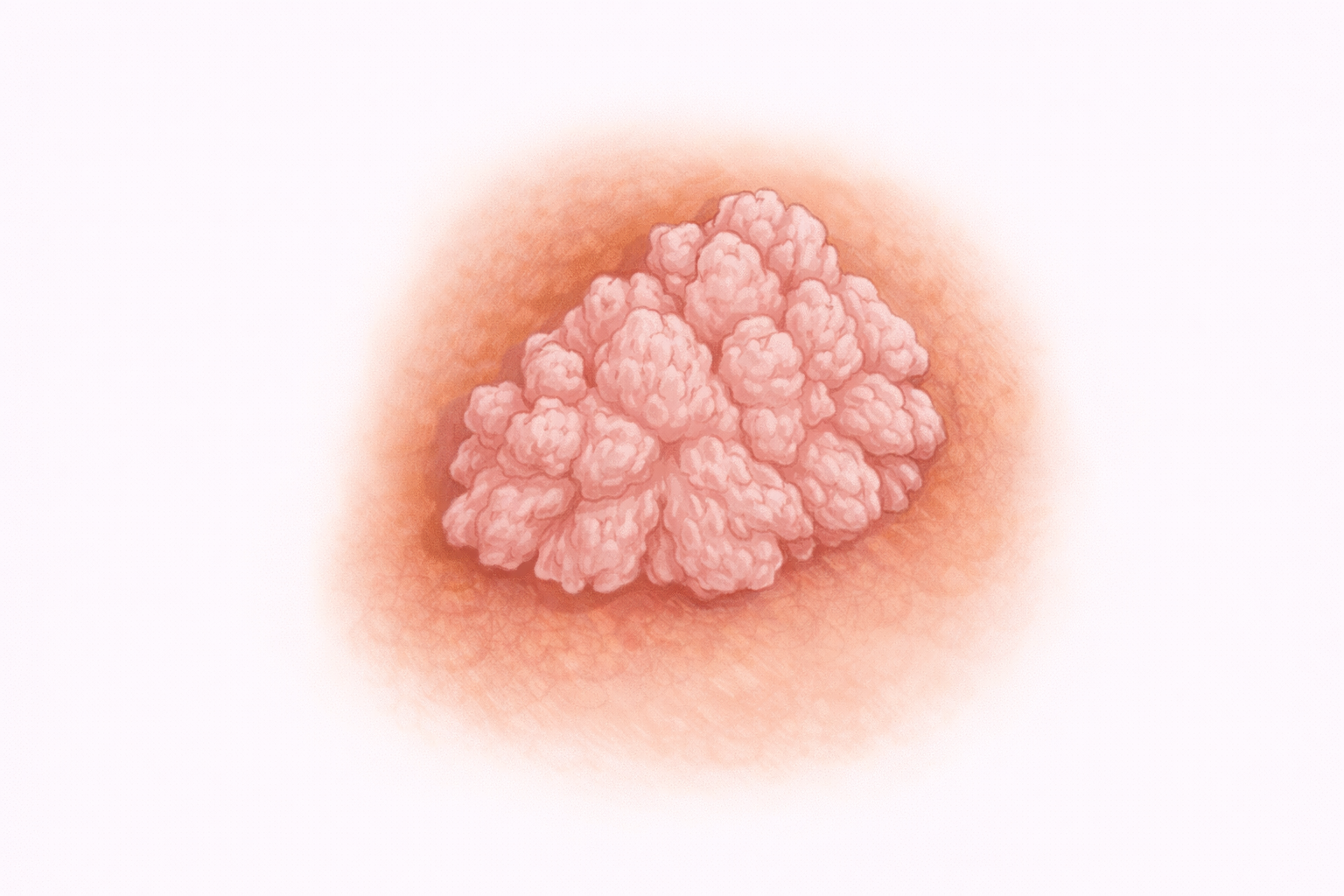
Anal condylomas, also known as anogenital warts, are benign lesions caused by the human papillomavirus (HPV). They appear as small bumps or warts in the anal or perianal area. They may be single or multiple, flat or raised, and in some cases may join together to form larger lesions.

Symptoms
In the early stages, anal condylomas may be asymptomatic and only detected during a physical examination.
The most common symptoms include:
- Small lumps or warts around the anal area.
- Persistent itching.
- A sensation of moisture or discharge.
- Discomfort when sitting.
- Minor bleeding if the lesions become irritated or injured.
Larger lesions may cause a foreign-body sensation or make personal hygiene more difficult.

Treatments
600-MICRON LASER
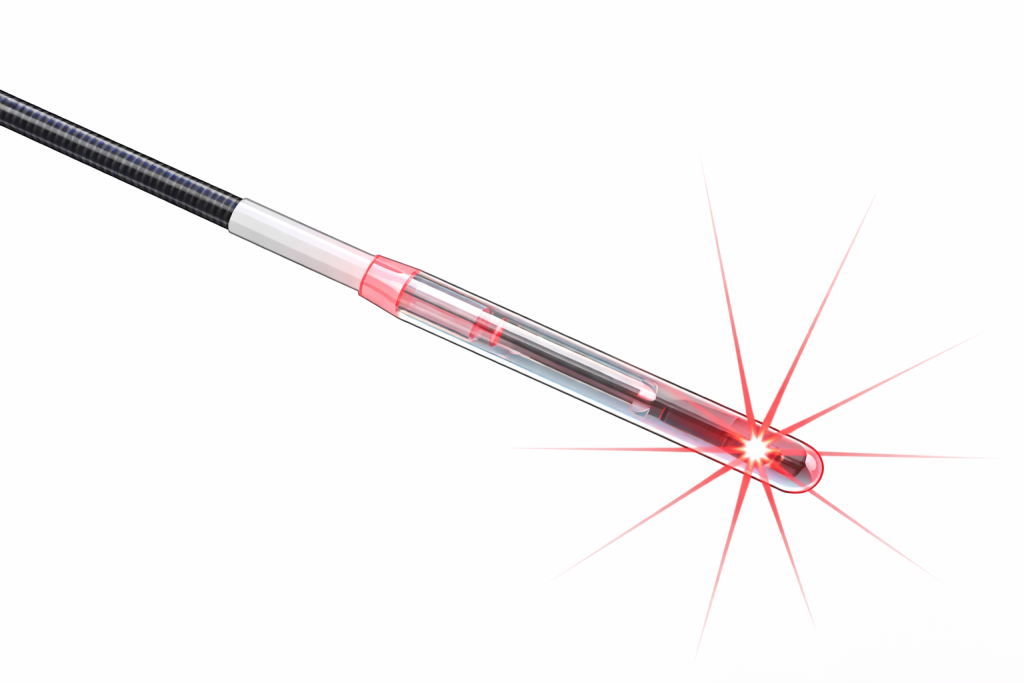
The lesions are surgically removed using a 600-micron laser. The procedure is performed on an outpatient basis and generally offers a very good postoperative recovery, with effective pain control when treating a small number of small lesions.
Procedure time:
20min
Anaesthesia:
Local anaesthesia and
sedation
Type of surgery:
Outpatient procedure
READ MORE
Results with the 600-micron laser
- Complete removal of the lesions (close to 100%) at the time of the procedure.
- Very high patient satisfaction due to the speed of the procedure and minimal tissue trauma.
- Very mild or virtually no pain in most patients.
What is recovery like?
- Outpatient procedure, with discharge on the same day.
- Rapid return to normal daily activities.
- Minimal inflammation and rapid healing, with mild and manageable discomfort.
Doctor...
FREQUENTLY ASKED QUESTIONS ABOUT CONDYLOMAS
How can I treat anal condylomas?
Medical treatments are available, but surgical removal is usually the most effective option for eliminating the lesions.
Extensive surgery or minimally invasive treatment?
Minimally invasive laser surgery offers less pain, fewer complications and more precise removal of the lesions.
What type of screening do I need?
Depending on the individual case, anal cytology, high-resolution anoscopy or regular follow-up may be recommended if there is a risk of recurrence.
Is follow-up necessary after treatment?
Yes. Regular follow-up is important to detect any recurrence and treat it at an early stage.