
Anal fissure
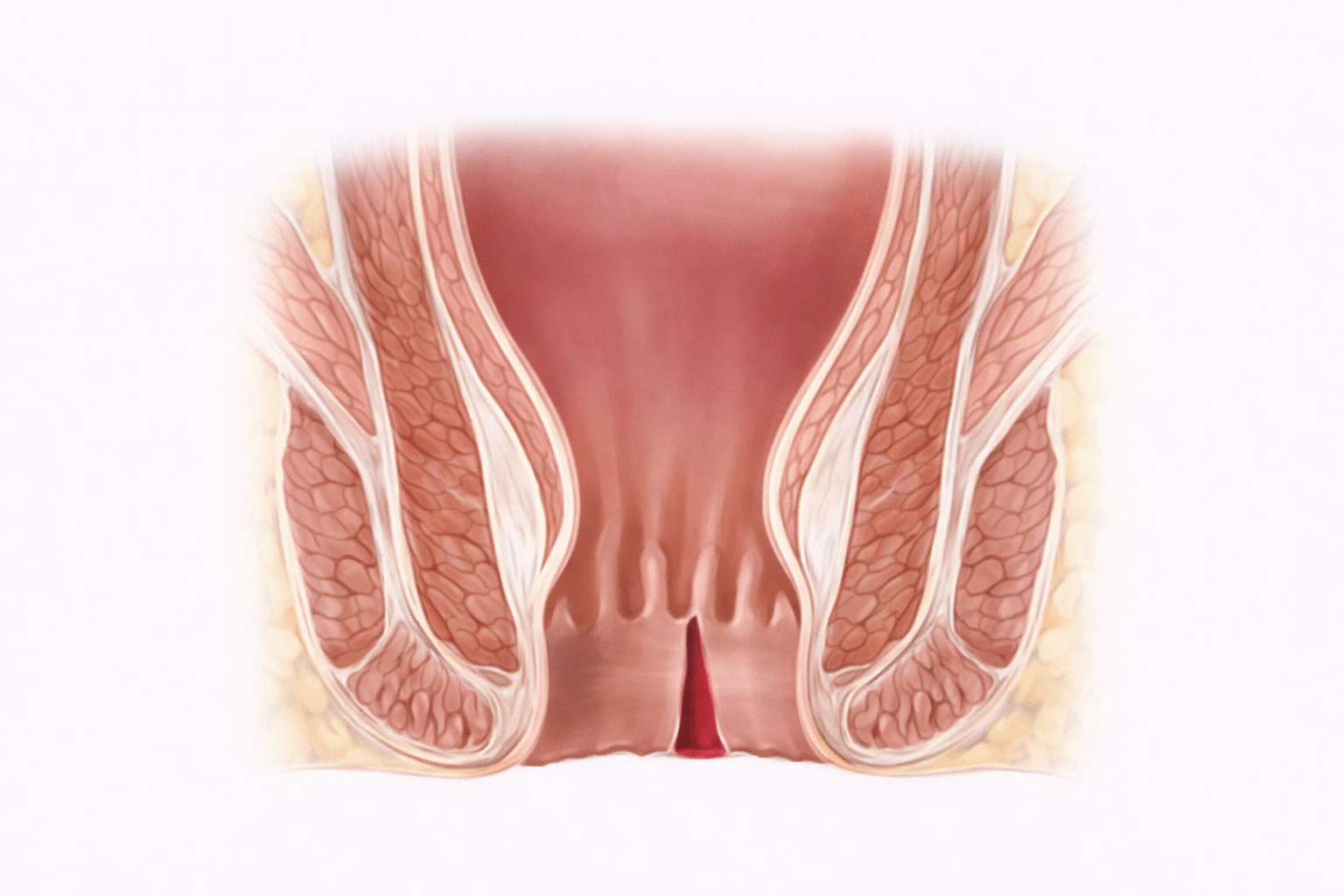
An anal fissure is a small wound or tear in the lining of the anal canal, usually located at the back of the anus. It is commonly caused by passing hard stools, prolonged constipation or repeated straining during bowel movements. It can also occur after episodes of severe diarrhoea or following childbirth.

Symptoms
The most characteristic symptom is severe pain during and after bowel movements, often described as a “cutting” or “tearing” sensation.
It may also be accompanied by:
- A small amount of bright red blood on toilet paper.
- Anal stinging or burning.
- Persistent itching.
- A sensation of an open wound.
In many cases, anal hypertonia develops, meaning an increase in the tone of the internal anal sphincter. This muscle spasm keeps the wound open, makes healing more difficult and perpetuates the pain, creating a vicious cycle of pain, spasm and further injury.

Treatments
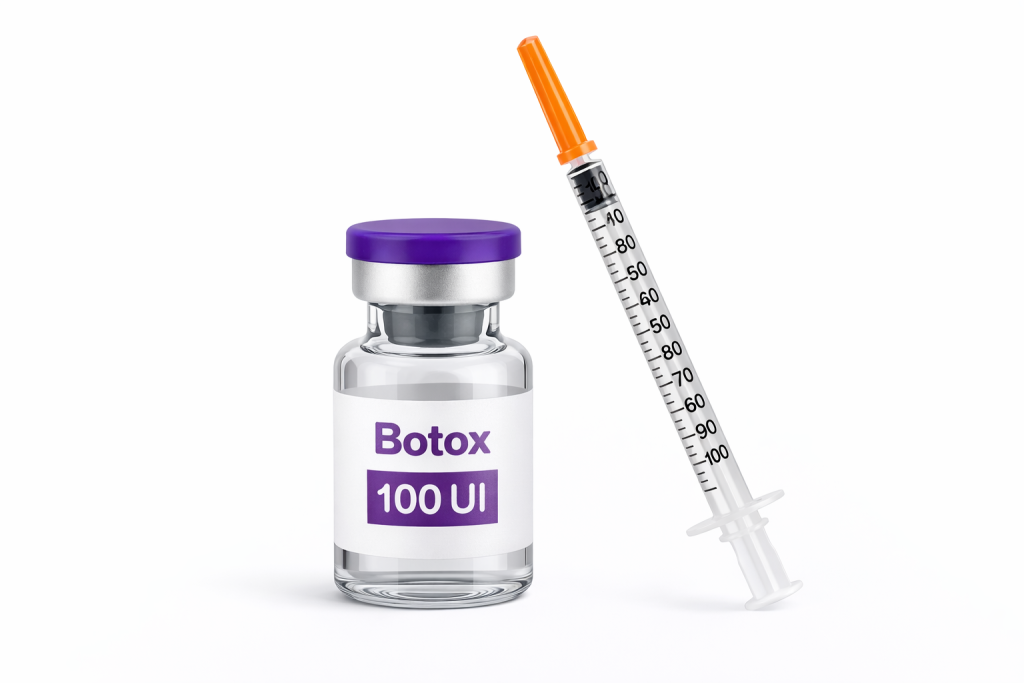
BOTULINUM TOXIN INJECTION (BOTOX 50 IU)
Treatment for an anal fissure begins with preventing constipation. This can be combined with topical treatments such as nitroglycerin ointment or calcium channel blockers. If symptoms persist for more than two months, surgical treatment should be considered.
When medical treatment has failed, the second-line treatment is the injection of BOTULINUM TOXIN (Botox 50 IU) into the internal anal sphincter. Healing rates are very high, above 80%, while cases of incontinence are extremely rare.
Lateral internal sphincterotomy involves partially dividing the internal anal sphincter to reduce hypertonia when the previous techniques have failed.
Both surgical treatments can be performed as day-case procedures and do not require hospital admission.
Procedure time:
5min
Anaesthesia:
Local anaesthesia and sedation
Type of surgery:
Outpatient
LEARN MORE
BOTOX results
- High healing rates (80–90%) in chronic anal fissures.
- Very high patient satisfaction, particularly among patients who wish to avoid surgery.
- Rapid reduction in pain during the first few days after the injection.
What is the recovery like?
- Minimally invasive procedure, with no incisions or wounds.
- Discharge on the same day, with an immediate return to normal daily activities.
- The sphincter is not cut, so the treatment is reversible and does not permanently affect continence.
Doctor...
FREQUENTLY ASKED QUESTIONS ABOUT ANAL FISSURES
What is an anal fissure and why does it develop?
An anal fissure is a small tear in the lining of the anal canal. It is commonly caused by constipation, passing hard stools or repeated straining during bowel movements, although it may also occur after severe diarrhoea or childbirth.
Can an anal fissure heal without surgery?
Yes. Many anal fissures improve by treating constipation and using topical medication. When symptoms persist for several weeks despite medical treatment, other options such as botulinum toxin injection or surgery may be considered.
How does Botox help treat an anal fissure?
Botulinum toxin is injected into the internal anal sphincter to temporarily relax the muscle. This reduces the spasm associated with the fissure, relieves pain and allows the wound to heal without cutting the sphincter.
When is surgery necessary for an anal fissure?
Surgery may be recommended when the fissure becomes chronic and other treatments have not been effective. Lateral internal sphincterotomy reduces excessive sphincter tension and has a high healing rate, although the most appropriate treatment should always be assessed individually.