
Anal fistula
An anal fistula, also known as a perianal fistula, is an abnormal tract or tunnel that connects the inside of the anal canal or rectum with the skin surrounding the anus. It usually develops following an infection in an anal gland that causes an abscess. When the abscess drains spontaneously or after treatment, a chronic inflammatory tract may remain, resulting in an anal fistula.

Symptoms
An anal fistula usually appears as a small opening in the perianal skin through which pus or blood-stained fluid may drain intermittently or continuously. This discharge can stain underwear and cause persistent discomfort.
Patients may also experience anal pain. Other common symptoms include anal itching, a constant feeling of moisture, skin irritation and redness around the area.
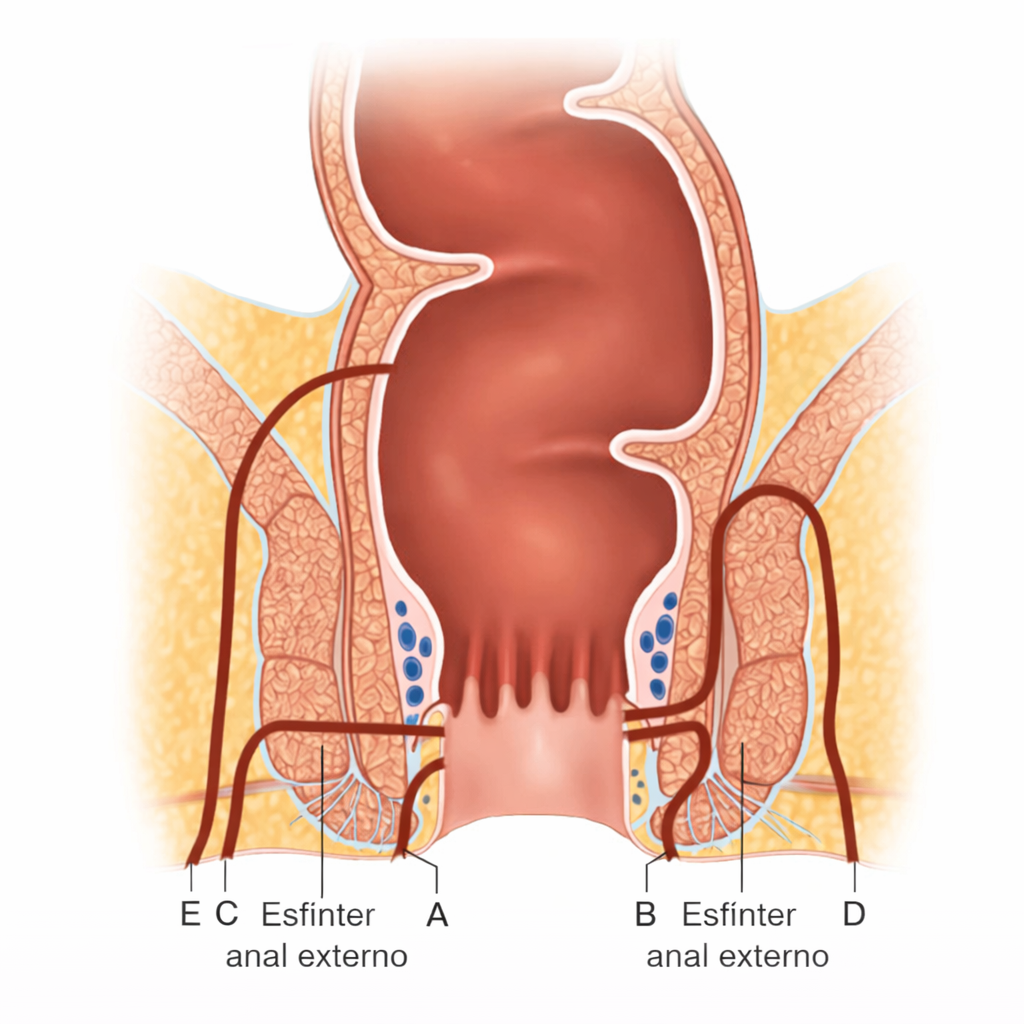

Treatments
Simple anal fistula (laser)
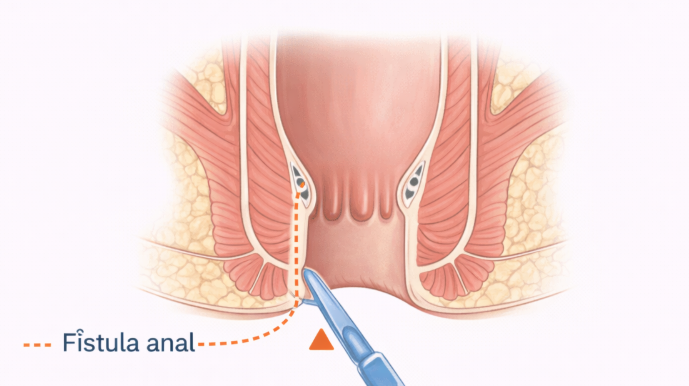
Simple anal fistulas can be treated with a fistulotomy, allowing the wound to heal by secondary intention as a day-case procedure.
A fistulotomy is a surgical procedure used to treat anal fistulas by opening the entire fistula tract. This allows the wound to heal from the inside out, minimising the risk of recurrence.
Procedure time:
15min
Anaesthesia:
Local anaesthesia and sedation
Type of procedure:
Outpatient
LEARN MORE
Results of simple anal fistula treatment
- High healing rate of over 90% in simple fistulas.
- High patient satisfaction due to less pain and a more comfortable recovery.
- Less postoperative pain than with traditional techniques: usually rated between 2 and 3 out of 10.
What is the recovery like?
- Patients are discharged on the same day and can move around immediately.
- Less inflammation and reduced need for pain medication thanks to the precision of the laser.
- More controlled wound healing and a more comfortable recovery than with conventional fistulotomy.
Complex anal fistula (FILAC)
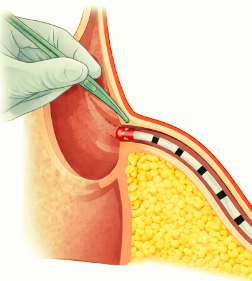
Complex fistulas usually require an initial procedure to explore the fistula and place a loose seton. Definitive treatment is performed afterwards and, in some cases, several procedures may be required.
There are several surgical techniques available to treat complex fistulas, which reflects the fact that no single technique has a 100% healing rate. Treatment must therefore achieve the right balance between preserving continence, healing the fistula and minimising pain.
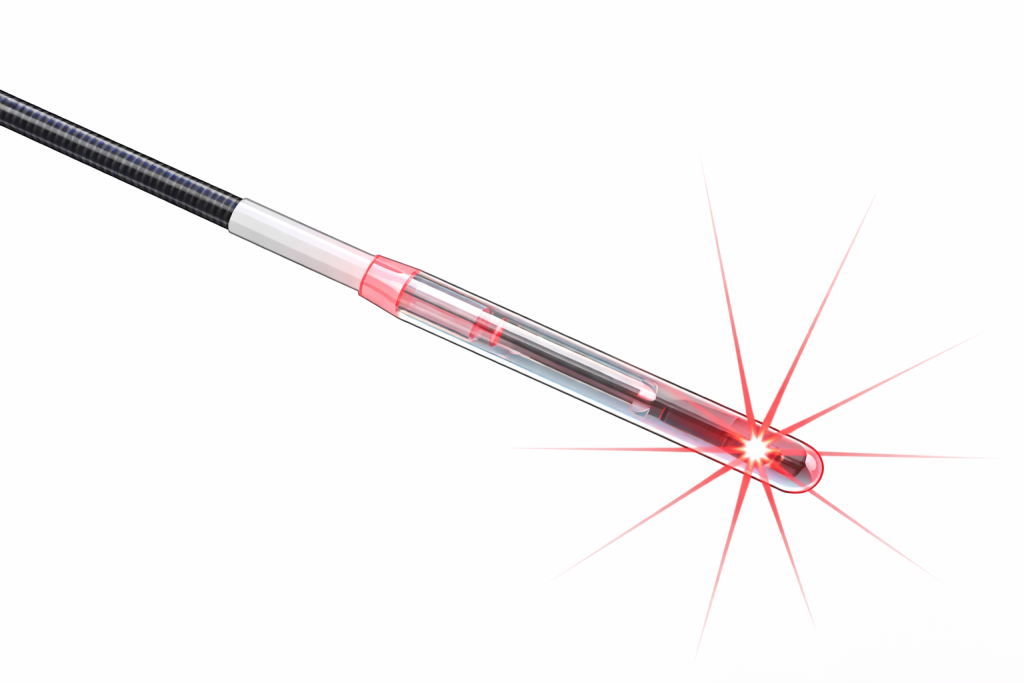
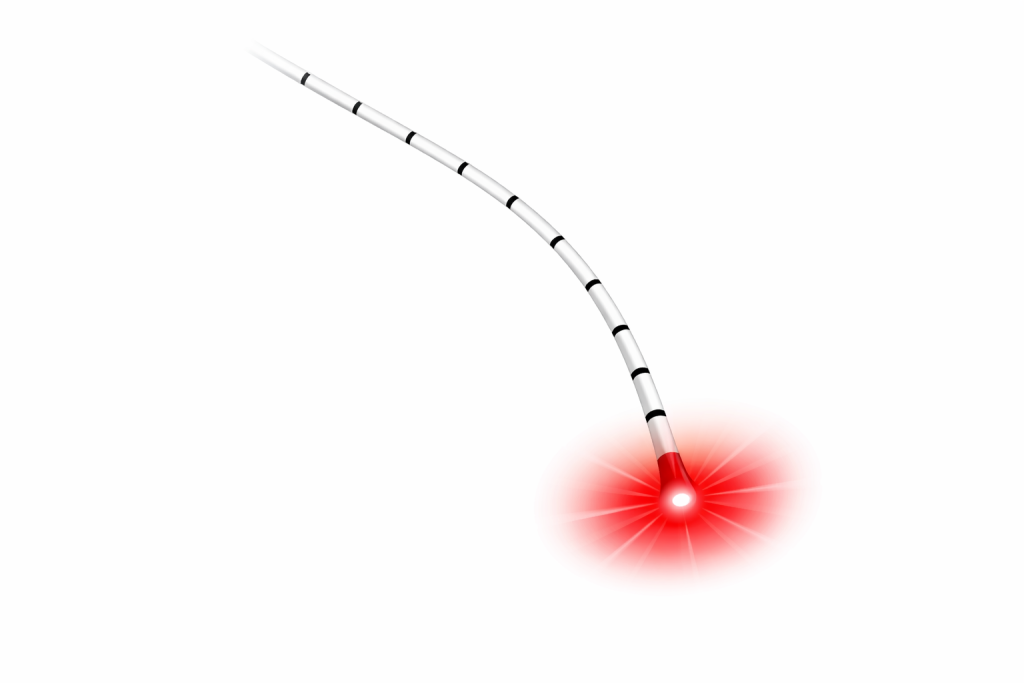
FILAC is a laser procedure that achieves healing rates of around 80% without affecting continence. It causes virtually no pain, can be performed as day-case surgery and allows patients to return to their normal daily activities quickly.
Procedure time:
25min
Anaesthesia:
Local anaesthesia and sedation
Type of procedure:
Outpatient
LEARN MORE
Results of FILAC
- High healing rate of 70–80% while preserving the anal sphincter.
- Minimal risk of incontinence, as the technique preserves the muscle responsible for continence.
- Virtually pain-free: most patients rate postoperative pain between 0 and 2 out of 10.
What is the recovery like?
- Minimally invasive laser technique without cutting the sphincter.
- Very quick recovery, with patients usually returning to their normal activities within a few days.
- No large wounds or extensive scarring, with fewer complications than conventional surgery.
Doctor...
FREQUENTLY ASKED QUESTIONS ABOUT ANAL FISTULAS
What is an anal fistula? Can it cause incontinence?
An anal fistula is a small abnormal tract between the inside of the anus and the surrounding skin. With minimally invasive techniques such as laser surgery, the risk of incontinence is extremely low, close to 0%.
Is my fistula simple or complex?
A fistula is considered complex when it is recurrent, has secondary tracts, affects the anterior anal area in women or passes through a significant amount of sphincter muscle. Other fistulas are generally considered simple.
How can my anal fistula be treated?
An anal fistula always requires surgical treatment. The type of surgery depends on the anatomy of the fistula, which is why an assessment by a specialist proctologist is essential.
Is it necessary to place a loose seton?
In most cases, yes. A loose seton helps prepare the area and improves the results of definitive surgery. It is placed in the operating theatre under sedation as an outpatient procedure, causes minimal discomfort and allows patients to continue with their normal daily activities.